An internal combustion engine comes with a spark plug that employs the performance of ignition of compressed gasoline through an electric spark. The spark plug converted the energy source, or gasoline, into motion. A ceramic insulator used for separating the spark plug from the cathode, which avoids electric shock. Properly insulated wire makes a connection with the central electrode, which has a resistor for the output pins of the ignition coil.
In this post we will cover the detailed features of spark plugs and related important points.
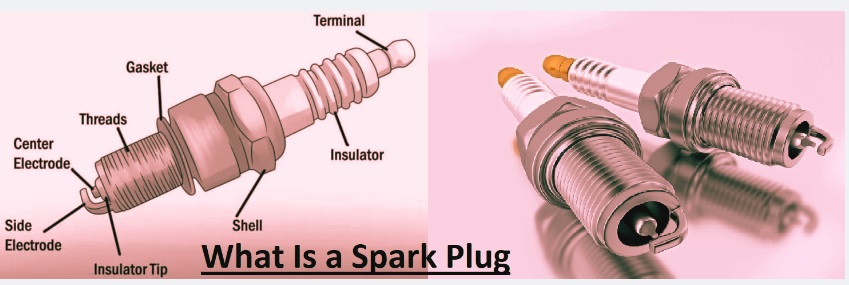
What Is a Spark Plug
- A spark plug is a device that provides an electric current from the ignition system to the combustion chamber for ignition of the fuel/air mixture by an electric spark.
- Spark comes with a metallic threaded sheath that is separated from the electrode through a ceramic insulator.
- central electrode having a resistor connected with a high-insulated wire, with output points of ignition coil
- spark plug has a metallic shell connected with the engine cylinder head and it is grounded. The central electrode protrudes in the porcelain insulation in the combustion chamber, causing spark gaps between the internal side of the central electrode.
Working of a Spark Plug
- A spark plug comes with two main functions for internal combustion engines: igniting fuel, where electrical energy is transmitted, and igniting the air mixture in the combustion chamber.
- A spark plug just causes heat removal and generates it. The temperature of the firing end plug should be low to avoid an earlier ignition process, but must be high to avoid fouling.
- Spark plugs are employed as a heat exchanger by removing excess thermal energy from the combustion chamber. Heat moves towards the engine cooling system.
- A spark plug is also employed in Saab direct ignition. that measures the ionization of cylinders without firing conditions. This ionic current measurement is used for replacing the knock sensor and misfire measurement operations.

Different parts of a Spark Plug
Spark plugs come with different parts; each performs different operations. That’s explained here.
Gasket
- A gasket makes the connection between the housing and the engine properly fitting and makes the combustion chamber airtight.
Insulator
- This provides insulation for the central shaft, terminal, and electrode from the external housing. It minimizes the effect of the high voltage of the electrodes.
- Lower part of the insulation put into the combustion chamber, where high-purity alumina, which provides heatproof features, is well insulated
Terminal
- high-tension cord connected with a terminal that helps high-voltage current flow in the ignition system. It comes with a terminal nut that is compatible with a high-tension cord. We can remove terminals on vehicles where nuts are not used.
Glass Seal
- A glass seal exists between the central shaft and insulator to provide air tightness. seal made with glass powder and copper powder. They charged for the in-shaft installation, part of the shaft, and the central electrode, and after that, they melted at high temperature.
- In this way, the central shaft and central electrode are fused with metal with an insulator. This sealing comes with a good thermal expansion ratio.
- So provide good airtightness and avoid gaps
copper electrode
- Nickel alloy is used at the central electrode, which minimizes wear and copper is sealed at the middle part that providing good thermal conductivity.
U-groove Ground Electrode
- This part helps to get high ignition energy and easily expand flame size. air-fuel mixture covers a larger area which creates a spark
Housing
- It is an external structure that covers the insulator. It helps the spark plug to be configured on the engine. On the lower side, the ground electrode causes flow in the engine to the central electrode through the gap.
Center Electrode
- The center electrode is connected with an iridium alloy tip through laser welding, which has a 0.4 mm diameter. Iridium is a metallic component that has good features for a spark plug electrode. such as high strength and high temperature resistance. The center electrode reduces spark voltage and helps to get good ignition features by minimizing this quenching effect.

Spark Plugs types
main types of spark plugs are as
Copper Spark Plugs
- This type of spark plug is commonly used. This spark plug comes with a copper core and employs electrodes whose working point is made with nickel alloy for spark generation.
- Nickel and copper have a low melting point, which makes electrodes wear out quickly, creating a gap of about 10,000 miles.
- That causes misfires, affects mileage, and it affects ignition wires. High-performance vehicles use this spark plug since it is highly efficient.
Platinum Spark Plugs
- Platinum spark plugs come with a platinum disc at the electrode tip end that provides protection to electrode edges at a high melting point.
- Platinum is a high-cost metal that increases the cost of these spark plugs.
- • The working life of this spark plug is about 30 to 40 thousand miles, and it has a higher temperature compared to the copper type. Platinum metal makes durable spark plugs
Hot Spark Plug
- • The heat range shows the hot condition of the plug when working. It shows features of the spark plug for the transfer of heat through the insulator firing tip towards the engine cooling system.
- temperature of spark plug based on the distance that heat takes to move. A longer path of ofheat make a hotter plug compared to a shorter distance.
Cold spark plug
- These plugs are employed in engines that cause low overheating with high-speed running. If the plug temperature is low, carbon accumulates on the insulator over the central electrode.
- Hot plugging avoids the creation of carbon. but hot plugs wear out faster in high temperatures that burn electrodes fast.
- In hot conditions, the plug insulator gets a white cast and looks blistered. Low speed: running an engine in cold conditions uses a hot spark plug.
Iridium Spark Plugs
- Iridium has high rigidity compared to platinum with high melting points, so these spark plugs work longer compared to platinum types.
- Iridium spark plugs employed where high power is needed on the engine.
- It has a small tip diameter that makes engine working functions and provides an efficient spark.
- Its good spark features make combustion smooth for engine operations. but their high cost makes them low use
Double Platinum Spark Plugs
- It is like platinum spark plugs, with the difference that its electrodes are made of platinum; the ground electrode, as well as the center electrode, is a platinum metal.
Plustar Spark Plugs
- This spark plug generated a high-intensity electrical pulse by using a capacitor for storing as well as releasing energy. that makes it more efficient than other plug types.
- It transforms some gaseous air-fuel mixture into highly excited plates with the help of pulsed electricity that burns fast.
- It makes high-power engines start easily and generates high torque with low fuel consumption.
Silver Spark Plugs
- It is made with silver and has good working performance and good thermal conductivity. It is commonly used in high-performance vintage cars and motorcycle engines.
- But their working life is no longer. They also have two subtypes according to heat dissipation and temperature. Hot spark plug and cold spark plug.
What Do Spark Plugs Do?
- • The engine is the main part of the vehicle that transforms gasoline or any energy source into vehicle movement.
- All this process is based on internal combustion, for converting the fuel of the car from potential energy to kinetic energy; the combustion process is used.
- • The engine cycle performs this conversion, where a valve adds an air-fuel mixture into the cylinder, which causes a high explosion.
- The piston of the engine compresses the mixture to make a small space, where potential energy is generated.
- In the compression state, the engine ignites the mixture through a spark, causing an explosion that moves the piston in the compressed state to move downward, producing power through the crankshaft turning, and the vehicle moves forward.
- Spark plugs cause a spark for fuel mixture ignition, which causes an explosion that generates engine power.
Basic Symptoms of Bad Spark Plugs
Rough idling engine
- If the engine is creating sounds during idle, it means the spark plugs are becoming bad. that causes vibration in the vehicle and damage to the vehicle
Starting the process is difficult.
- If you are facing difficulty starting the engine, it means the spark plug has failed. If you do not have important spark ignition, it means the spark plug is faulty.
Engine Misfiring
- misfires: the engine stops working and causes vibrations since the cylinder is not accurately firing. that causes difficult riding and releases high gases
Engine Surging
- This state of the engine causes higher air suck than normally needed for the combustion process, resulting in engine start and stop operations.
bad fuel efficiency
- Faulty spark plugs affect fuel efficiency, since they use more fuel.
low acceleration
- Bad accelerator features are also a sign of a bad spark plug.
How Much Does It Cost To Replace Spark Plugs?
Spark plug replacement cost is based on the types and labor charges. The standard copper spark plug replacement cost is 3 to 12 dollars.
Silver spark plugs cost 7 dollars; platinum and double platinum plugs cost $10 to $20. Iridium plug replacement cost is $30 to $100 each.
Engine design set labor charges for V6 and V8 engines higher than for 4-cylinder engines. Labor cost will be 50 to 400 dollars.
The net cost for replacing parts and labor for a spark plug is 100 to 300 dollars, and the high price is 300 to 600 dollars.
causes of spark plug failure
the maincauses of spark plugs failure are as
- spark affected through oil that enters into combustion chamber. plugaffects through high contentmixutre.
- Bad ignition causes spark plugs through carbon collection.
- Improper plug gap affects spark plugs. The insulator was affected by burning electrodes through overheating.
- oxides with different colors, like brown, red, or yellow deposited in plugs. damaged insulator sealing effect plugs
Conclusion
The spark plug main part of the ignition system of internal combustion engines. It produces a spark for air-fuel mixture, giving power to the engine. The accurate working spark plug causes effective fuel usage and gives good fuel efficiency.
For longer working of the spark plug, regularly inspect it and replace if needed, which helps to minimize bad acceleration, starting faults. Use of an accurate engine gap size increases the ignition process
FAQs
Define “spark plug.”
- • The spark plug component of the vehicle produces a spark plug for the air-fuel mixture in the internal combustion engine.
How often should spark plugs be replaced?
- Spark plug replaced normally every 30,000 to 100,000 miles, according to the vehicle manufacturer’s recommendations.
What are the symptoms of a bad spark plug?
- some signs are low fuel efficiency, a difficult starting process, and low acceleration
Do all spark plugs have the same features?
- There are different types of spark plugs that are made with different materials like copper, platinum, double platinum, and iridium. All have different features and working aspects.
Is it possible to clean and reuse a spark plug?
- Yes, we can clean spark plugs; the best is to use a new spark plug for smooth operations.
What happens if the spark plug gap is bad?
- Faulty plug gap results in a weak spark and rough running, also engine effect through improper combustion