The gasket is the main component of a car engine; its main function is to seal the engine compartments. The engine comes with a cylinder block, in which the piston, cylinder head, and cylinders exist. And some other parts, like the valve, camshafts, and spark plug, also lie. In this post, we will cover detailed features of a blown head gasket and related factors. Let’s get started
What is a head gasket?
- A head gasket is a thin metallic sheet that comes with pores in different dimensions that provide sealing between the cylinder head and engine block.
- sealing confined pressures in the combustion chamber. for avoiding mixing the gasket, maintaining coolant at the required position, and moving oil in the oil path.
- Head gasket working life is about engine working life and needs to be repaired and replacement.
- The head gasket is basically connected between the cylinder head and the engine block, which is the main part of internal combustion sealing.
- It provides coolant and oil circulation in engine lubrication and cooling.
- If the gasket is not working or damaged, it causes different faults. There are many symptoms of a blown gasket that give indications about faults.
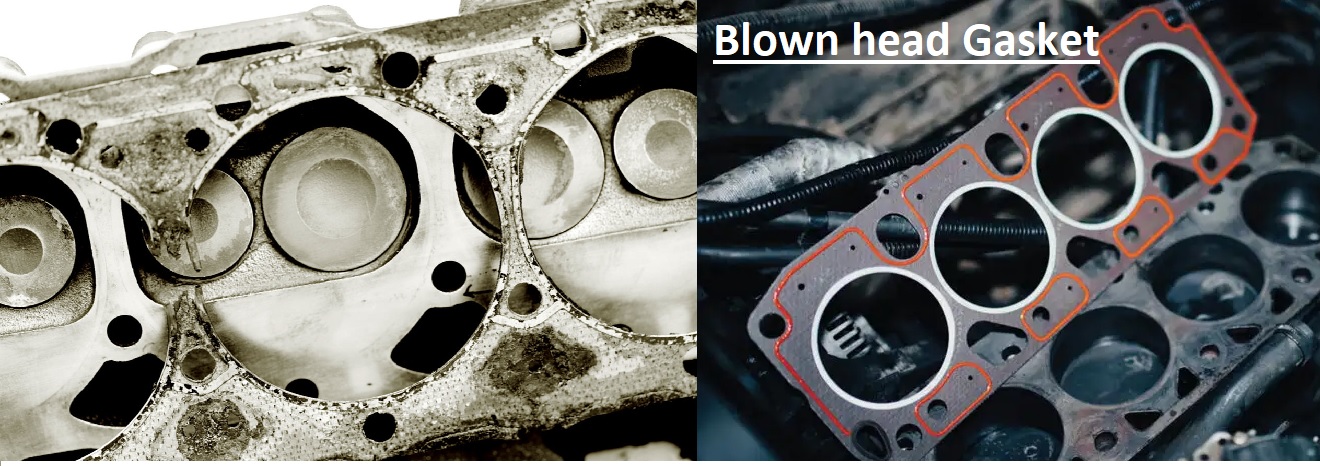
Functions of gasket head
Read our related guides What Is A Differential On A Car? FEATURES, WORKING, USES
- Head gaskets exist in internal combustion engines and perform different operations. It provides a sealing combustion chamber, helps with oil and coolant circulation, making them separate, and causes the engine to produce power for vehicle movement.
- It directs hazardous gases through the exhaust system and manages their release from the combustion chamber.
- Some new models of head gaskets come with steel configured to elastomer, giving strong structure.
- Older vehicles have gaskets made with graphite or asbestos that cause high leakage and chances of health issues.
- Since the head gasket is the main part of the engine, it maintains pressures generated through the ignition of spark plug fuel vapors in the combustion chamber that cover pistons.
- These high-pressure conditions are preferred for the accurate working of piston operations.
- Head gasket, also avoiding oil mixing and coolant, provides fluid operations without contamination
Signs of a Bad Head Gasket
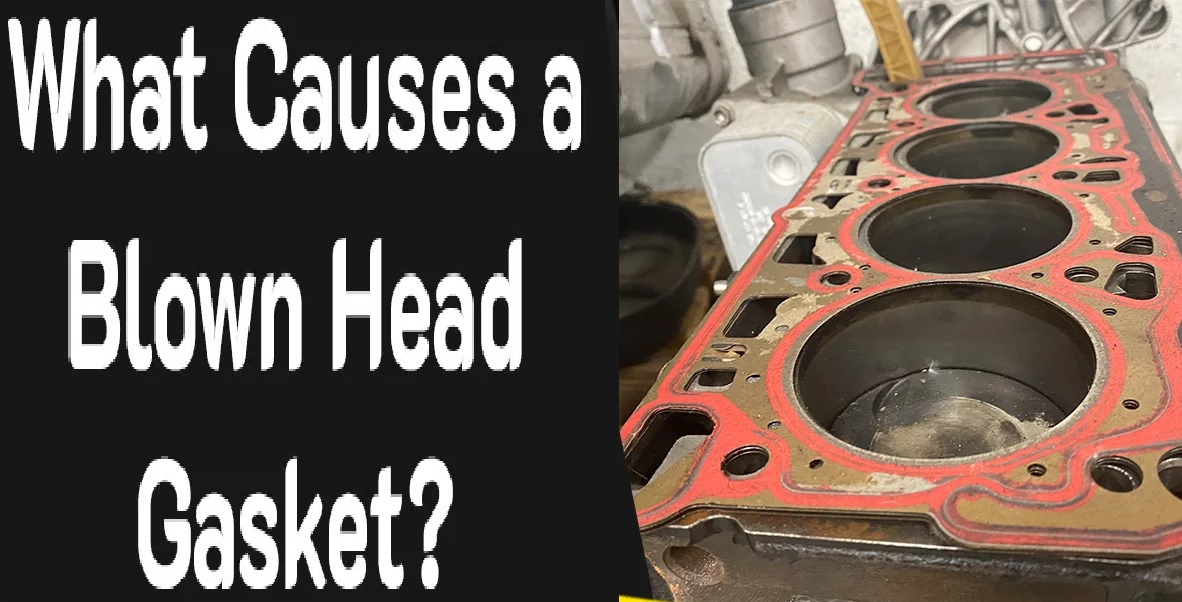
The main symptoms of a bad head gasket are as
low coolant
- check coolant level. If you find any loss mean faulty head gasket. When filling coolant, it has no leak and shows burning coolant.
Smoke in the tailpipe
- A bad head gasket also causes white smoke to be released from the exhaust, causing a smell. This smoke resulted from antifreeze leaking from the gasket and into the cylinders, which converted into steam through combustion.
- There is also leakage from the oil path in the cylinders that results in smoke.
- In case the fault, it causes combustion pressure in the cooling system.
Engine Knocking
- A faulty head gasket is leaking as a result of compression losses. that causes engine idling, knocking, and stalling.
Bad Oil
- Coolant movement into the oil engine causes a mixture of lubricants. The head gasket causes the engine coolant mixture to enter the engine oil.
- • A thick mixture can be seen below the oil filler cap; that is due to the head gasket leaking.
- When this condition occurs, disconnect the engine oil filler cap and check it.
- thick oil buildup like foam seen means the coolant is faulty for engine oil
Overheating
Read our related guides What Is The Chevy 350 Firing Order? Features, Uses, Working
-
- Engine overheating also occurs due to coolant leaking or a clogged radiator, which also affects the head gasket.
- A blown head gasket is also a result of engine overheating.
- Hot exhaust gases leak towards the cooling area and cause coolant to leak towards the cylinders and burn, causing the engine to overheat.
- During driving, if the vehicle causing overheating causes alloy cylinder head warping or also affect the working of the catalytic converter
Causes of head gasket failure
main signs of a blown head gasket are as
Overheating
- Engine overheating is the main cause of head gasket failure. If the engine is heated, the gasket faces high temperatures. High heat causes damage. Overheating also causes cracking of the cylinder head and prevents proper sealing of the head gasket.
Pre-ignition
- Head gasket faults also cause pre-ignition. As a result, high pressures and heat are produced in the cylinder, causing high pressures on the gasket. Pre-ignition started before the spark plug fired and detonation after.
temperature variations
- The head gasket faces contraction and expansion according to engine temperature. if engine temperature reduces and a sudden change in temperature causes a faulty head gasket.
- So ensuring accurate working temperature before acceleration can avoid head gasket failure.
High mileage
- High mileage of a car also causes a bad head gasket since longer work and duration affect the working. With time the material of the gasket is damaged, and the seal is also affected.
- There is a need to replace the head gasket after some mileage.
Faulty Installation
- If a faulty installation was made for the head gasket, affect the seal. so install and accurately connect during service
Read our related guides What Is A Spark Plug? Functions, Diagram And Uses
Testing processof Blown Head Gasket
Engine Oil Inspection
- Check engine oil and for finding blown head through dipstick, so oil drains through pan, and check the best method for changing oil changes.
- If the engine coolant and oil mix causes a blown head gasket. A milky layout of oil means it is mixed oil. That shows coolant exists.
- coolant is a sealed system, so all components must be there. Oil level varies due to pressure and temperature variations that must be constant.
- that increases coolant leaking in the engine; find and add more coolant.
- If high smoke exists, it goes to the combustion chamber and is added to the oil channel, making milky oil.
- • The oil of the coolant reservoir becomes foamy, which shows the oil color varies through mixing coolant.
Exhaust checking
- If smoke is coming from the exhaust higher up, there is a blown head gasket. Through detection of high exhaust, some factors were checked.
- There is high emission compared to hot weather when there is a low external temperature. It makes a blown head gasket.
- If the head gasket is blown, check for high white smoke due to burning coolant when it goes to the combustion chamber.
- High smoke shows a blown head gasket. but not error when exhaust smoke changes due to weather condition
Leaks
- Blown head gaskets occur due to leaking, which also causes movement of oil towards the engine’s other parts.
- Fluid moves the engine and then enters different channels in case it is close to the head gasket.
- If it burns before at the grounding point, the engine releases smoke. If it falls to the ground, fluid will pool below the car.
Spark Plug Inspection
- Coolant on the spark plugs means a blown head gasket. For this issue, fire detection is used. Remove spark plugs and perform detailed inspection. If I find an error, it means the head gasket has an error.
Radiator
- Radiator inspection also helps to find blown gaskets. If a blown head gasket exists, air flows into the cooling system, which causes a foamy radiator mixture. The system comes with a fuel and oil mixture. That means the radiator needed to be checked.
Compression Test
- To perform this test, remove spark plugs. Check that the spark plugs are cool before removal. Compression is reduced due to a bad head gasket in the combustion chamber.
- It occurs if the cylinder is not properly sealed and additional pressures are released.
How to Prevent the Head Gasket from Damage?
Some precautions can be taken to avoid damage to the head gasket. Replacement of the gasket is not costly, but the cost of repairing makes it costly.
hThe ead gasket failed due to overheating, so ensure a proper cooling system. If the vehicle is showing heating, wait for some time and refill the fluid in the radiator before moving.
The best is to check the cooling system easily. Check joints and pipes for leaking, and find that the radiator is working well, the thermostat is working well, and the coolant is at an accurate level.
The fan needed to work well; the blades provide high efficiency. If the head gasket is bad, a scientific test is performed for combustion in the cooling system.
That gives details about the leaking cooling system and head gasket.